Sell My House Fast in Fort Worth in a Slow Market
Selling a house quickly is never just a numbers problem. It is a timing problem, a pricing problem, and often a life problem all at once. Maybe the mortgage payment is getting heavier than expected. Maybe the home needs repairs you do not want to finance. Maybe you already moved, or you are carrying two housing costs, or a family change has made “wait and see” feel less like a strategy and more like a drain.
That pressure gets sharper in a slow market. In Fort Worth, where neighborhoods can vary widely from one zip code to the next, a slow market does not mean every home sits forever. It means buyers get choosier, financing takes longer, and properties that need work tend to age on the market faster than clean, move-in-ready homes. If your goal is to sell my house fast in Fort Worth, the right plan depends on what you are really trying to protect: time, Click for more info equity, certainty, or all three.
The fastest sale is not always the highest one, and the highest sale is not always the one that survives inspections, appraisal delays, and last-minute financing issues. After seeing enough transactions stall for reasons that had nothing to do with the asking price, I have learned that speed comes from removing friction. In a slow market, that usually means making the home easier to buy, not just easier to list.
What a slow market actually changes
A slow market changes leverage. Buyers notice when there are more homes to compare and more room to negotiate. They may ask for closing costs, repairs, credits, or price reductions after inspection. They may take longer to make an offer because they feel no urgency. Even serious buyers can hesitate if they see a property lingering on the market and assume something must be wrong with it.
That hesitation affects everything. A home that would have drawn multiple showings in a stronger market may now need sharper pricing just to get attention. A seller who is still emotionally attached to the price they “should” get can lose valuable weeks waiting for a better number that never comes. Meanwhile, carrying costs keep accumulating. Taxes do not pause. Insurance does not pause. Utilities, lawn care, HOA dues, and loan interest all keep running.
In Fort Worth, that matters because the market is not one single thing. A home in a sought-after pocket with solid updates may still move reasonably well. A dated rental property in need of a roof and foundation work tells a different story. So does an inherited house that has been vacant, a home with title issues, or a property that cannot pass a conventional lender’s standards without repairs. When speed matters, those details become the story.
Price is part of the equation, but not the whole equation
Many sellers assume a fast sale means slashing the price hard enough to attract attention. Sometimes pricing aggressively is the right move. Sometimes it is not enough.
If a house is priced below market but still needs work, buyers may still hesitate because they know they will need cash for repairs after closing. If the photos are weak, the description is vague, or the home shows poorly during the hottest parts of a Texas afternoon, a low price alone can fail to generate momentum. Buyers want value, but they also want confidence.
A better pricing strategy starts with honesty. Look at the actual condition of the home, not just the neighborhood average. Compare it to truly similar homes, not just nearby ones. A 1980s house with older mechanical systems and cosmetic wear should not be priced like a recently renovated property unless the updates are already in place. Sellers often lose more by overpricing for 30 days than they would by pricing correctly on day one. Once a listing goes stale, buyers begin to discount it automatically.
A practical rule I have seen hold up again and again is this: if the house needs repairs and the market is slow, the first price is the most important price. The longer you wait to adjust, the more the listing starts to feel like a problem instead of an opportunity.
When a traditional listing still makes sense
Not every seller needs a cash buyer. A traditional listing can still be the best route if the house is clean, updated, vacant or easy to show, and located in an area where similar homes are still selling with reasonable days on market. If you have time to prepare, a little money for curb appeal and minor repairs can improve your outcome enough to justify the extra effort.
This route works best when the house checks most of the boxes buyers care about. Fresh paint, working systems, good natural light, decent photos, clean floors, and no obvious deferred maintenance can do a lot of work for you. In those cases, the market may reward patience.
The trade-off is certainty. Traditional buyers often rely on mortgage approval, appraisals, inspections, and sometimes sale-of-home contingencies. Any one of those can slow the process or break it. If your timeline is flexible, that risk may be acceptable. If your timeline is tight, it may not be.
Why Real Estate Cash Offers often solve the speed problem
For many Fort Worth sellers, the real question is not whether they can get more money from a retail buyer eventually. It is whether they can convert the house into cash without spending another month patching, cleaning, negotiating, and hoping.
Real Estate Cash Offers can make sense when the priority is speed and simplicity. Cash buyers usually do not need mortgage underwriting, which removes one of the biggest sources of delay. They also tend to buy homes in less-than-perfect condition, which means the seller is not stuck paying for repairs just to make the property showable.
That is especially useful in situations where the home has major cosmetic issues, structural concerns, tenant complications, inherited belongings, or a vacancy problem. A cash offer is often less about getting top dollar and more about buying out of a difficult situation with fewer moving parts. The seller can compare the net proceeds, not just the headline price. That distinction matters. A slightly higher retail price can evaporate quickly once you subtract repairs, holding costs, agent commissions, concessions, and months of carrying expenses.
The hidden costs of waiting
A slow sale rarely costs only one thing. It usually costs in layers.
There is the obvious cost of mortgage payments, but there are also the less visible costs that pile up during the wait. If the house is vacant, you may be paying utilities just to keep the home safe and functional. If it is occupied, there may be cleaning, staging, and ongoing maintenance. In older homes, small issues become larger ones when they are left alone. A slow leak can become flooring damage. A neglected HVAC system can fail during peak heat. A few missed touch-ups can make a home feel much older than it is.
Then there is the emotional cost. People often underestimate how much drag comes from carrying a listing that is not moving. Every showing becomes a small burst of hope, and every no-show or low offer becomes another disappointment. For sellers dealing with probate, divorce, relocation, or financial stress, that uncertainty can become exhausting.
I have seen sellers hold out for an extra 10,000 or 15,000 dollars and lose far more than that in payments and repairs while waiting for a buyer who never arrived. That does not mean they made a bad decision every time. It means the math has to include time, not just price.
What makes a home harder to sell fast in Fort Worth
Certain conditions slow a sale almost everywhere, but they are especially relevant in a market where buyers have options. Older roofs, foundation concerns, outdated kitchens and baths, deferred maintenance, and cluttered interiors all make buyers move more cautiously. So do homes with unusual layouts, major cosmetic mismatches, or pricing that does not line up with the condition.
Fort Worth also has its share of homes with aging systems and climate-related wear. Long summers are hard on roofs, HVAC systems, exterior paint, and landscaping. A home that looks merely “lived in” in a cooler climate can look neglected after a few Texas seasons if maintenance slipped. Buyers notice those cues quickly, even if they cannot articulate why they feel uneasy.
If a property has title issues, probate complications, code concerns, or tenants who are difficult to move, that can slow a traditional sale more than many owners expect. These are the situations where a direct sale or cash transaction can be less stressful, because the buyer is usually prepared for the extra work and willing to close without requiring the seller to fix every issue first.
How to decide whether speed or price should lead
The right decision comes down to your circumstances. If you have ample equity, a flexible timeline, and a home in good condition, a traditional listing may still bring the strongest total return. If you need certainty, cannot afford repairs, or want to avoid months of showings and negotiations, a faster sale may be worth accepting a lower headline number.
The best way to think about it is net proceeds and risk. Ask yourself what the house will really cost to prepare, list, and carry for another 60 to 120 days. Include the cost of repairs you know about, the likely inspection concessions, and the possibility of a price drop if the first listing period does not go well. Then compare that to a straightforward cash offer. Sometimes the spread is smaller than people assume. Sometimes it is not, but the speed and certainty still justify the trade.
That judgment is personal, not theoretical. A landlord who is tired of repairs may value freedom more than a few extra percentage points. A family trying to settle an estate may value closure over a market gamble. A seller relocating for work may not be able to wait for the perfect offer. The right answer is the one that matches the cost of delay.
Sell My House Fast in Fort WorthA practical path if you need to move quickly
If time is tight, start with the facts of the property, not the hope attached to it. Find out what still needs attention, what can be ignored, and what will likely come up during an inspection. If the house needs only minor cosmetic work, a modest investment might help. If it needs significant repair, you may be better off preserving cash and selling as-is.
It also helps to get clarity on your timeline. If you need to close within 14 to 21 days, say so up front. If you need a longer close but want to avoid more mortgage payments, that matters too. A good buyer can work with a specific date if they know the constraints early. Ambiguity causes delays.
Many sellers are surprised by how much smoother the process becomes when they stop trying to make the house perfect. Perfect is expensive. Good enough for the right buyer can be a smarter goal, especially in a slow market. A clean, honest presentation often beats a half-finished remodel.
If you are comparing offers, pay attention to the conditions attached to them. A higher offer with financing, inspection contingencies, and repair requests may not be better than a lower cash offer with a clean closing. Ask what you will actually walk away with and when.
What a strong cash sale should look like
A strong cash offer should feel clear, not slippery. You should understand the purchase price, the closing timeline, whether there are any inspection rights, whether the buyer is buying as-is, and what costs you are expected to cover. If someone says they can close quickly but keeps changing the terms, that is a warning sign.
The best Real Estate Cash Offers usually give sellers what they need most in a slow market: a known path to closing, fewer contingencies, and less stress around repairs. They are not magic, and they are not always the highest possible number. But they can be the most practical path when the home is difficult, the market is dragging, or life does not leave room for a long sales cycle.
A clean cash deal can be especially valuable when the house has been sitting. Once a property has lingered, every extra week can weaken buyer interest. At that point, a fair cash offer may be stronger than chasing a retail price that the market has already stopped supporting.
Selling fast without making avoidable mistakes
Speed should not push you into careless decisions. Some sellers get so focused on closing quickly that they accept unclear terms or ignore simple due diligence. That is a mistake. Even in a fast sale, you still want to know who you are dealing with, what the closing process looks like, and whether the offer matches the condition of the property.
The most common mistake is fixing too much. Another is fixing too little in the wrong places. Spending 8,000 dollars on updates when a buyer would have discounted the house for only 3,000 dollars of cosmetic work is a poor use of capital. On the other hand, ignoring obvious safety issues or failing to disclose known problems can create setbacks later. Experience teaches a middle ground: fix what protects value or prevents deal-breaking concerns, and leave the rest to the buyer if the math says that is wiser.
It is also worth remembering that the buyer pool changes when a home is priced or presented for speed. Some buyers want turnkey. Others want a project. If you are selling fast, you may attract investors, landlords, flippers, or cash buyers who are comfortable evaluating properties quickly. That is fine. The key is to understand that their offer reflects their risk and renovation costs, not just your emotional history with the house.
The bottom line for Fort Worth sellers
If you need to sell my house fast in Fort Worth, the smartest move is usually not the one that looks best on paper at first glance. It is the one that reduces friction, protects your net proceeds, and fits your actual timeline. In a slow market, buyers have more leverage and more patience. Sellers who respond with realism, clean presentation, and a clear plan usually do better than sellers who wait for the market to rescue them.
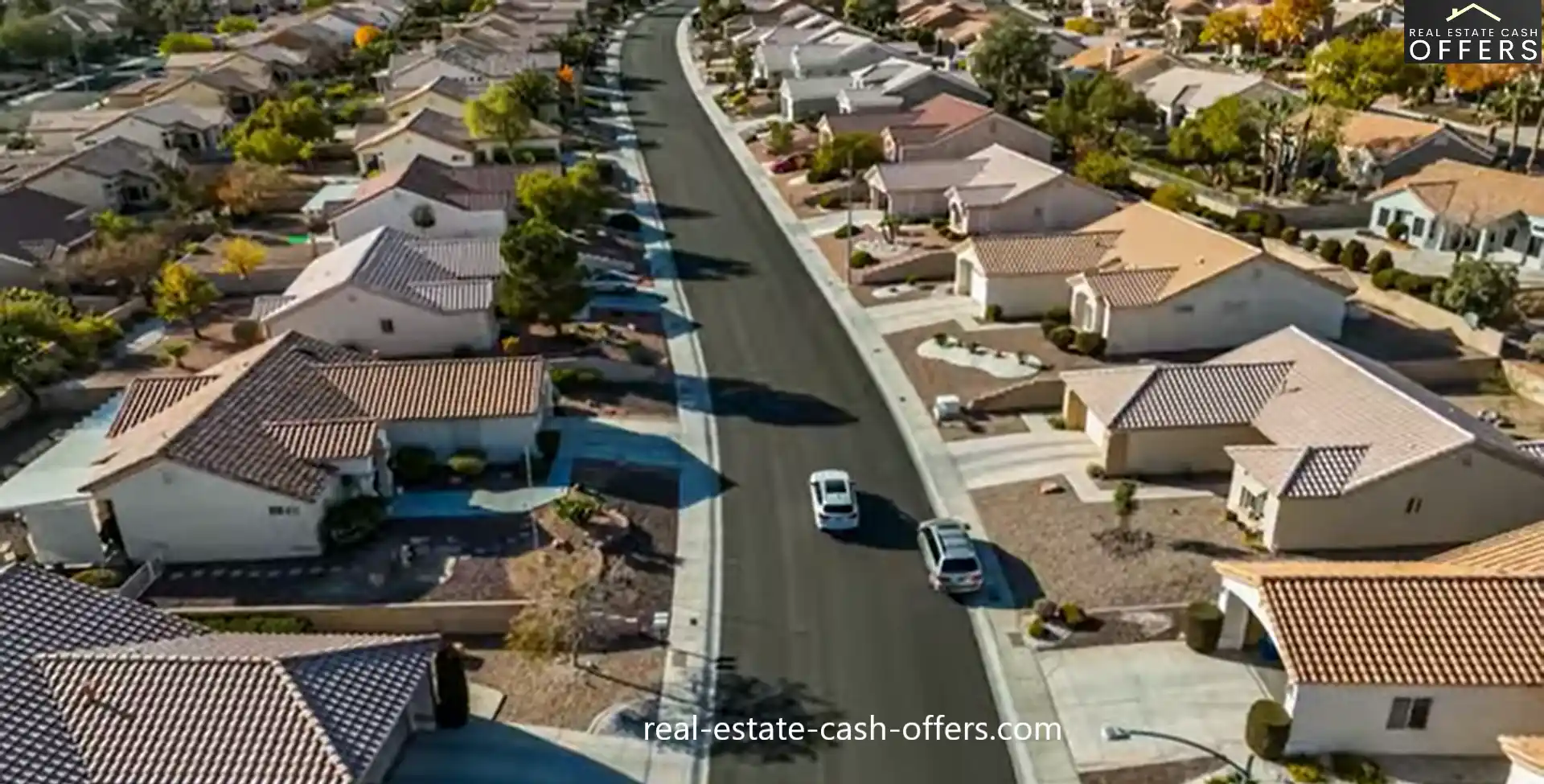
For some homes, that means listing traditionally with the right prep and a disciplined price. For others, it means choosing Real Estate Cash Offers and skipping the repairs, showings, and uncertainty that drag out the process. The right answer depends on the house, the neighborhood, and your goals, but the principle stays the same: the faster the sale needs to happen, the more valuable certainty becomes.
A slow market does not eliminate options. It just forces better judgment. If you know what the house is really worth in its current condition, what delays are costing you, and what kind of buyer is best positioned to close, you can make a decision that feels grounded instead of rushed. That is usually where the best outcomes begin.
Real Estate Cash Offers
+1 (682) 402-6461
[email protected]
Website: https://real-estate-cash-offers.com/